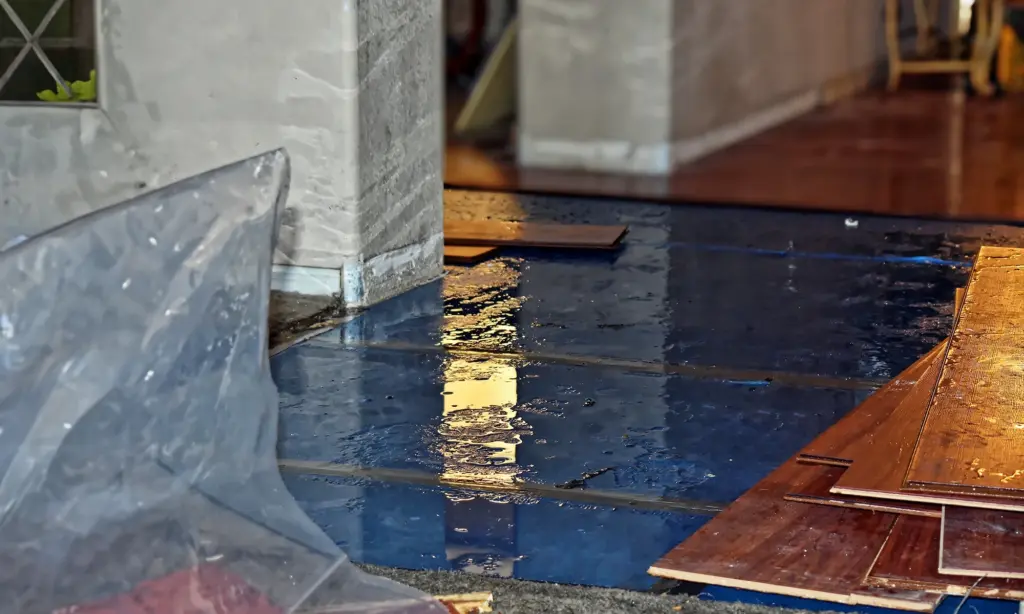
Why Hidden Moisture Should Not Be Ignored
Not all water damage announces itself. A pipe can sweat behind a wall for months, a roof can seep slowly after a storm, or a bathroom exhaust fan that isn’t quite doing its job can leave moisture trapped in a ceiling cavity for weeks at a time. By the time you actually notice a stain, a musty smell, or soft drywall, the moisture has often already been sitting there long enough to cause real, lasting damage. That’s what makes hidden moisture different from an obvious leak — it doesn’t ask for your attention, so it’s easy to go unnoticed until the problem is much bigger than it needed to be.
Why Timing Matters So Much
Mold doesn’t need much to get started. Under the right conditions — a damp surface, a food source like drywall paper or wood, and a lack of airflow — mold can begin developing within 24 to 48 hours of sustained moisture exposure. Once it takes hold behind a wall or under flooring, it’s a lot harder, and considerably more expensive, to deal with than if the moisture had been caught early and dried out before mold ever had the chance to establish itself.
It’s not just mold, either. Wood framing that stays damp over time can weaken, warp, or begin to rot, which affects the structural integrity of whatever it’s supporting. Insulation loses much of its effectiveness once it gets wet, even if it still looks intact from the outside, which means a hidden moisture problem can quietly be costing you on your energy bills long before you ever see a stain. Metal fasteners and fixtures can corrode. Wallpaper and paint can bubble or separate from the surface underneath. None of these things happen overnight, but they compound the longer moisture is allowed to sit.
Common Sources of Hidden Moisture
Hidden moisture tends to come from a handful of usual suspects. Plumbing behind walls or under sinks is one of the most common — a slow drip at a joint or a slightly loose connection can leak for a long time before it ever shows up as a visible stain. Roofing is another big one, especially after Northeast Ohio’s heavier storms; water can enter through a small gap in flashing or shingles and travel along a rafter before it ever drips down somewhere visible, so the water stain you eventually see may be several feet away from where the actual entry point is.
Bathrooms and kitchens are especially prone to this kind of gradual moisture buildup, since they combine plumbing, humidity, and frequent water use in a relatively small, often poorly ventilated space. Basements and crawl spaces are another common area, particularly in homes where grading or drainage around the foundation isn’t ideal — groundwater can seep in slowly rather than flooding all at once, which makes it easy to miss until the smell becomes noticeable.
Signs Worth Paying Attention To
A few signs are worth keeping an eye out for, even though none of them are especially dramatic on their own — which is exactly why they’re easy to dismiss or explain away. A musty smell that doesn’t go away with normal cleaning is one of the more reliable indicators, since that odor is usually a byproduct of mold or mildew growth somewhere nearby. Discoloration on walls or ceilings, even faint yellowish or brownish staining, can indicate water has been present. Paint or wallpaper that’s bubbling, peeling, or separating from the wall is another sign, since trapped moisture behind the surface pushes against it over time. Flooring that feels soft, spongy, or slightly uneven underfoot can mean water has gotten underneath it. And if you notice a spike in humidity in one particular room compared to the rest of your home, that’s worth investigating too.
What to Do If You Suspect a Problem
If you notice any of these signs in your Canton, OH home or business, it’s worth having someone take a closer look before it turns into a bigger, more expensive problem. Professional moisture detection doesn’t rely on guesswork — tools like moisture meters and thermal imaging cameras can identify elevated moisture levels behind walls, under flooring, and in other areas you can’t see or access without tearing something open. That means a problem can often be confirmed and located without unnecessary demolition.
Once a moisture source is identified, the next steps typically involve drying out the affected materials, addressing whatever is causing the moisture in the first place, and repairing or replacing anything that’s been damaged beyond saving. Catching a moisture problem early can mean the difference between a straightforward drying job and a full remediation project involving mold removal and material replacement.
Don’t Wait to Have It Checked
Hidden moisture problems rarely resolve themselves, and the cost of ignoring one almost always ends up higher than the cost of catching it early. If something feels a little off in your home — a smell, a stain, a soft spot in the floor — it’s worth trusting that instinct.
Contact 1st Choice Restoration & Construction if you suspect hidden moisture in your property. We’re available 24/7 for water damage restoration throughout Canton and Northeast Ohio, and we’re happy to take a look and give you a clear answer either way.